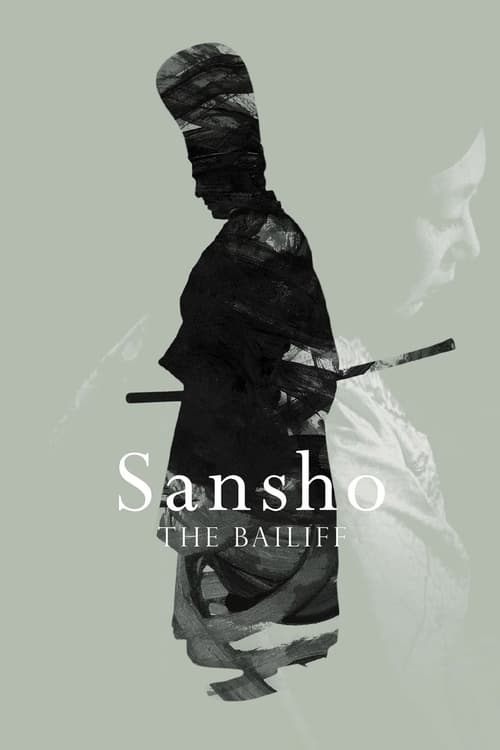
Sansho the Bailiff (1954)
Genre
:
Drama Rating
:
8.103 / 10
Release Date
:
31 March 1954 Resolution
:
1920x1080
Duration
:
2 : 4 minutes
Spoken Language
:
日本語 Status
:
Released Overview
:
In medieval Japan, a woman and her children journey to find the family's patriarch, who was exiled years before.
Cast Overview :

Tamaki
by: Kinuyo Tanaka

Zushiô
by: Yoshiaki Hanayagi

Anju
by: Kyōko Kagawa

Sanshô dayû
by: Eitarō Shindō

Minister of Justice
by: Ichirō Sugai

Kichiji
by: Bontarō Miake

Kohagi
by: Yōko Kozono

Ubatake
by: Chieko Naniwa
Priestess
by: Kikue Mōri
Prime Minister Fujiwara
by: Ken Mitsuda

Masauji Taira
by: Masao Shimizu

Ritsushi Kumotake
by: Ryōsuke Kagawa
Taro
by: Akitake Kōno
Kaikudo Naito
by: Kanji Koshiba
Sadaya
by: Shinobu Araki

Young Zushiō
by: Masahiko Tsugawa
Young Anju
by: Keiko Enami

Nakagimi
by: Teruko Omi

Namiji
by: Kimiko Tachibana
Shiono
by: Reiko Kongō

Masasue Taira
by: Shōzō Nanbu
Landlord
by: Ryōnosuke Azuma
Norimura
by: Kazukimi Okuni

Kimpei
by: Saburo Date
Yakko
by: Sumao Ishihara
by: Ichirō Amano

Harbour's Lady
by: Midori Komatsu

Jiro
by: Yukio Horikita
Kanamaru
by: Jun Fujikawa
Sado Man
by: Sōji Shibata
Slave Trader
by: Akira Shimizu

Harbour's Man
by: Tokio Oki
Farmer #2
by: Akira Shiga
by: Goro Nakanishi
Saburo Miyazaki
by: Hachiro Okuni
by: Akiyoshi Kikuno
Member Reviews :
When a benign provincial governor tries to intervene to protect his people from the brutality of the military, he is stripped of his rank and banished. His wife and children are forced to follow him, on foot, some time later and hopelessly ill-equipped for that task they fall prey to people traffickers who split the family up. The young daughter and son soon find themselves bought by the eponymous character and forced into cruel manual labour that only his son "Taro" (Akitake Kôno) seems at all concerned about. Can he help? Can they manage to keep some semblance of their erstwhile decency and nobility in the face of such indifference and oppression? Will the family ever reconcile? This is a glorious film to look at. The photography is dark, gloomy and hugely effective at eliciting a feeling of sorrow for the children as they struggle to survive in their new lives. There are glimmers of optimism, but Kenji Mizoguchi manages our expectations well. There is no yellow brick road here, the sunlit uplands are definitely there but we have no idea when (or if) one or other or neither of the children may ever reach them. The acting is poised and characterful - especially the young "Anju" (Kyôko Kagawa) who tries to look out for her initially weak and vulnerable younger brother "Zushio" (Yoshiaki Hanayagi). It is beautifully scored with a mixture of Japanese and classical themes that compliment well the contrasting images of poverty, wealth, cruelty and kindness of this story of barbarity and revenge. The cinematography does benefit from a big screen - it makes the story and the imagery all the more impactful, but even on a television this is is two hours that truly keeps you gripped.